
Festival and Oscar animated shorts
AnimeJara: the festival and Oscar animated short films of 1970 to 2026, and where to watch them
A catalogue of animated short films
188 animated short films made in English: Oscar winners and nominees, the National Film Board of Canada, Don Hertzfeldt, Pixar and Disney theatrical shorts, Blender open movies, stop-motion and the great independent festival favourites. Search a title and press Watch now.
A hand-picked index
Every short is chosen by hand from festival programmes, Oscar shortlists and studio reels, with its year, running time and director.
One button to watch
Watch now opens JustWatch for your country, with the streaming, rental, purchase and free services that carry the film.
Your own list
My List keeps the shorts you want to see in this browser and exports to a small file for another device.
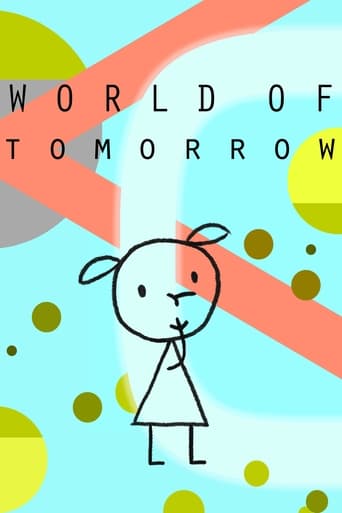
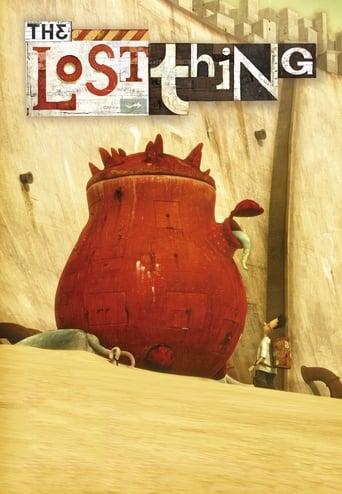
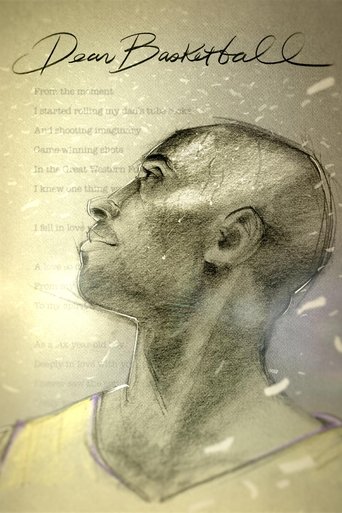
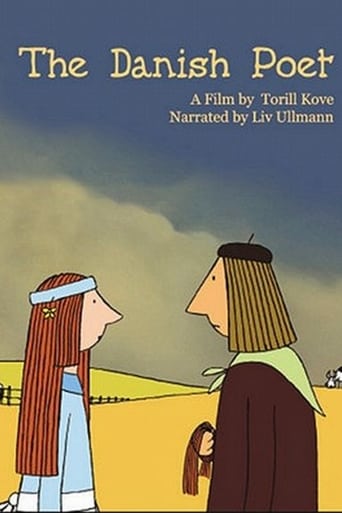
Oscar shortsDon HertzfeldtStop-motionExplore the full catalogue
Oscar shorts
See allAcademy Award winners and nominees for Best Animated Short Film.
Don Hertzfeldt
See allStick figures, big questions and World of Tomorrow.
Studio shorts
See allPixar, Disney, DreamWorks, Illumination, Blue Sky and Warner Bros.


National Film Board of Canada
See allShorts from the NFB and ONF.

Stop-motion
See allClay, puppets, objects and sand.


Independent shorts
See allFestival favourites from independent animators and small studios.


Guides
- How to watch with AnimeJaraFrom the catalogue to the official service.
- Oscar animated shortsWinners and nominees for Best Animated Short Film.
- The National Film Board of CanadaFifty years of Canadian animation.
- Don HertzfeldtStick figures and the biggest questions.
- Studio shortsPixar, Disney, DreamWorks, Illumination and Warner Bros.
- Languages and subtitlesOriginal voices and captions.
- Stop-motion shortsClay, puppets, objects and sand.
- The official AnimeJara siteHow to recognise the real address.
- Is AnimeJara working?A quick check and easy fixes.
- Where AnimeJara shorts streamThe official services behind Watch now.
- Apps and devicesPhones, tablets, computers and televisions.
- Free animated shortsLegal ways to watch at zero cost.
- Watching safelyA short checklist.
- Finding a shortSearch tips.
- My ListBuilding your own programme.
AnimeJara: the festival and Oscar animated short films of 1970 to 2026, from the National Film Board of Canada and Don Hertzfeldt to Pixar, Aardman, Blender and the great independent animators
The animated short film is the oldest and freest form in animation. Long before the first animated feature, cartoons were made a few minutes at a time, and today the short remains the place where animators try new techniques, tell personal stories and take creative risks that a ninety-minute feature rarely allows. A good short can say as much in seven minutes as a novel says in three hundred pages, and the best of them stay with you for years. AnimeJara is a guide to that world: a hand-picked catalogue of English-language animated short films from 1970 to 2026, with a page for each film and a Watch now button that leads to the official services that carry it.
Here you will find 188 short films. There are 49 Academy Award winners and nominees, from Frank Film and Closed Mondays in the early seventies to The Lost Thing, Dear Basketball and WAR IS OVER! Inspired by the Music of John & Yoko in recent years. There are thirteen films from the National Film Board of Canada, the public studio that has done more for the art of the short than almost any other. There are five films by Don Hertzfeldt, including the three chapters of World of Tomorrow. There are Pixar SparkShorts and Disney Short Circuit experiments, Looney Tunes revivals, Blender open movies, virtual-reality stories, stop-motion gems, student graduation films and a long list of independent festival favourites from Australia, Ireland, Britain, the United States and beyond.
Every film has its own page with the story, the year, the running time, the director and the studio. A Watch now button opens the film on JustWatch for the country you choose, where the subscription, rental, purchase and free services that carry it are listed side by side. Many shorts are also shared freely by the studios and animators who made them, and the guides on AnimeJara point the way to those official channels.
This page is the long guide to the catalogue. It explains what makes the short film special, how the collections are organised, who the great studios and directors are, and how to build a programme of shorts for an evening at home. Read it from top to bottom, or jump to the section that interests you: the Oscars, the National Film Board, Don Hertzfeldt, the studio shorts, stop-motion, the open movies, the student films or the decades.
Why animated shorts
Short films are where animation history happens. Walt Disney tested synchronised sound and Technicolor in shorts. Pixar began with shorts such as Luxo Jr. and still uses them to train new directors. The National Film Board of Canada built its reputation on shorts, and so did Aardman in Britain. Almost every great animator of the last fifty years made a short first, and many of them return to the form again and again because it gives them freedom.
That freedom shows on screen. In a short, an animator can paint on glass, push sand around a light table, carve clay into a moving painting, move single atoms with a microscope or build a whole film out of everyday objects. A short can be a joke that lasts ninety seconds, like Fresh Guacamole, or a twenty-minute meditation on memory and identity, like World of Tomorrow Episode Three: The Absent Destinations of David Prime. It can be a family comedy, a quiet documentary, a piece of visual music or a science-fiction epic. The variety is the point.
Shorts are also wonderfully easy to fit into a busy life. You can watch three of them over breakfast, one on the bus and a whole festival programme in the time it takes to watch a single feature. They are perfect for families, because a short holds the attention of young viewers, and perfect for film lovers, because a short rewards a second and third viewing. AnimeJara is built to make that kind of watching simple: find a short, read a little about it, press Watch now and enjoy.
How AnimeJara looks
AnimeJara takes its look from the archived pages of animejara.com. The page is a deep indigo, the colour of a cinema just after the lights go down, with a faint square grid laid over it like the guide lines on an animator's light box. A slim dark bar runs across the top with the wordmark, cyan text links, a soft purple search pill and a bright cyan My List button.
Below it sits the hero: a huge wordmark with ANIME in white and JARA in a gradient from electric blue to violet, glowing gently against the dark page. Under the wordmark is a wide dark search box and two buttons, a gradient button that opens the full catalogue and a dark outline button that opens the Oscar shorts. The rest of the home page is built from rounded near-black panels with cyan headings, three bordered feature tiles that explain how the site works, and rows of posters for each collection. The type throughout is Outfit, a clean geometric typeface used on the original site in weights from light to black.
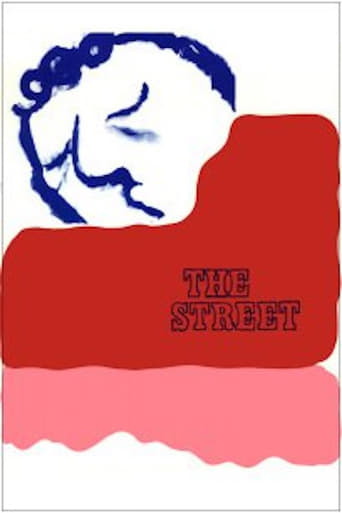
The design is calm on purpose. Animated shorts come in every colour and style imaginable, from the hand-painted textures of The Street to the bright computer graphics of Purl, and a dark, quiet frame lets each poster stand out. On a phone the panels stack into a single column, the poster rows scroll sideways and the menu folds into a button at the top right.
Using the site
There are four easy ways to find a short. The first is the big search box on the home page or the search pill in the top bar: type a title, part of a title, a director or a word from the story, and the results appear as you type. The second is the collection rows on the home page, each one a panel with the ten most popular films in that collection and a See all button. The third is the Catalogue page, which lists every film with filters for year and rating. The fourth is the Browse page, which lists every short from A to Z.
Each film page shows the poster, the year, the running time, the director, the studio and a short summary of the story. The Watch now button sits beside a country menu, so you can see the services that carry the film where you live. An Add to My List button saves the film to a personal list that stays in your browser and opens from the cyan button in the top bar.
Because shorts are short, the running time matters more than usual. A film page tells you at a glance whether you are about to watch a two-minute sketch or a half-hour story, and the cards in each row show the year and running time under the title. That makes it easy to plan a programme that fits the time you have.
The collections
The catalogue is organised into seventeen collections. Oscar shorts gathers the 49 Academy Award winners and nominees. National Film Board of Canada holds the thirteen NFB films. Don Hertzfeldt holds five of his films, from his student work to the World of Tomorrow trilogy. Studio shorts gathers 46 films from Pixar, Disney, DreamWorks, Illumination, Blue Sky, Sony and Warner Bros. Independent shorts holds the 124 films made by independent animators and smaller studios.
Smaller collections follow particular threads. Open movies and VR shorts holds the Blender Foundation open movies and the Google Spotlight Stories. Student films gathers graduation and school films from CalArts, the Ringling College of Art and Design, the Filmakademie Baden-Württemberg and others. Stop-motion holds the clay, puppet, object and sand films. Art and experimental gathers abstract, computer and visual-music films. Six decade collections, from the 1970s to the 2020s, let you travel through time, and Top rated holds the films that viewers rate most highly.
The Oscar shorts
The Academy Award for the best animated short film is the most famous prize in the form, and a nomination can change an animator's career overnight. AnimeJara holds 49 winners and nominees from more than five decades, and watching them in order is one of the best ways to see how animation has grown.
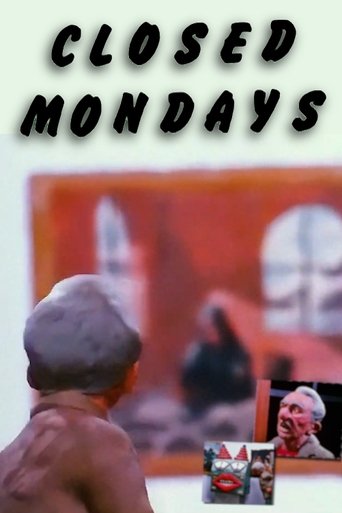
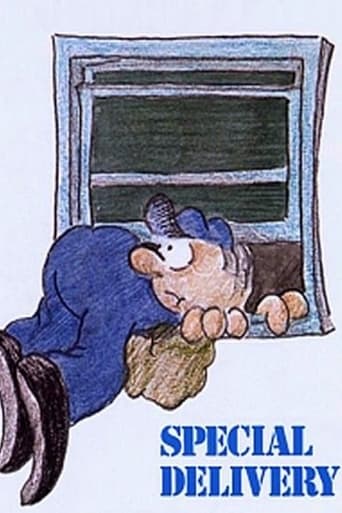
The seventies open with Is It Always Right to Be Right?, a thoughtful fable narrated by Orson Welles about a world split into opposing camps, and Frank Film, Frank and Caroline Mouris's dizzying autobiography told through thousands of images cut from magazines. Will Vinton and Bob Gardiner's Closed Mondays brought clay animation to the Oscar stage, with a tipsy visitor watching the paintings and sculptures of an art gallery come to life. Bob Godfrey's Great told the life of the engineer Isambard Kingdom Brunel as a joyful musical, and it was the first British animated short to win. The decade closes with Special Delivery, a darkly funny Canadian tale about a husband, an icy front step and a very unlucky postman.
The eighties and nineties bring the great comedies. The Big Snit follows a couple quarrelling over a game of Scrabble while the world outside rushes towards its end. Your Face, by Bill Plympton, shows a crooner whose face melts and twists into ever stranger shapes as he sings. The Cat Came Back chases one man's attempts to get rid of a stubborn yellow cat to the beat of an old folk song. Mona Lisa Descending a Staircase, Joan C. Gratz's winner, melts famous paintings into one another through the art of clay painting. Wat's Pig, from Peter Lord at Aardman, follows twin brothers separated at birth on a split screen, and Bunny, Chris Wedge's winner from Blue Sky, follows an old widowed rabbit, a persistent moth and a light that seems to come from somewhere beyond the kitchen.
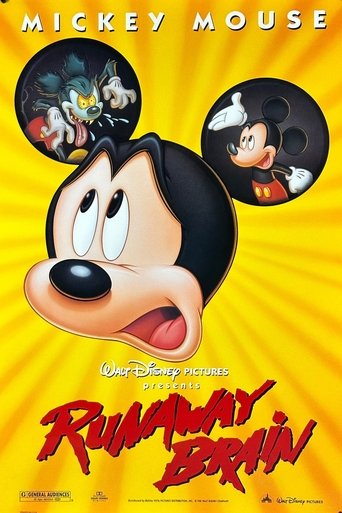
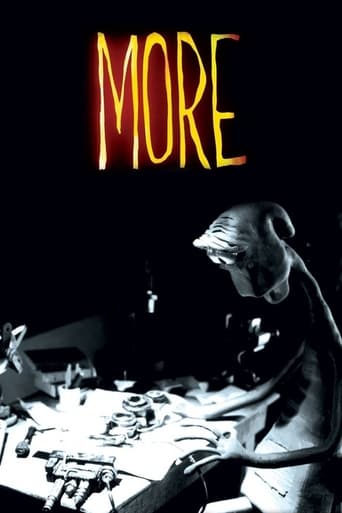
Two delightful nominees from 1995 come from the big studios: Runaway Brain, in which Mickey Mouse swaps bodies with a monster, and The Chicken from Outer Space, the short that introduced Courage the Cowardly Dog. The decade ends with More, Mark Osborne's stop-motion fable about a factory worker who invents a way to see the world in brighter colours, and When the Day Breaks, Wendy Tilby and Amanda Forbis's tender film about a pig, a rooster and the strangers who share a city.
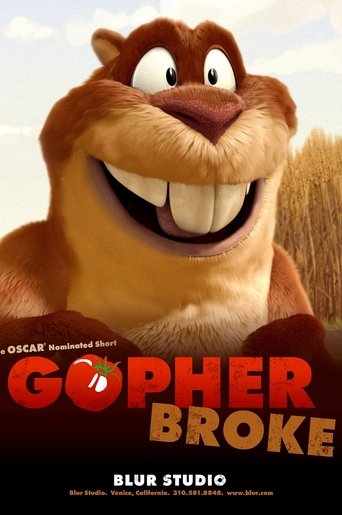
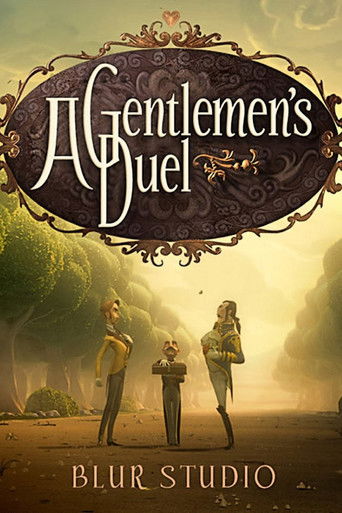
The new century brought computer animation to the Oscar list. The ChubbChubbs!, from Sony, follows an alien janitor who dreams of singing on stage. Fifty Percent Grey, from Ireland, finds a soldier waking up in a very calm afterlife with only a television for company. Gopher Broke, from Blur Studio, follows a gopher's scheme to knock vegetables off passing trucks, and Guard Dog, by Bill Plympton, explains why dogs bark at squirrels.
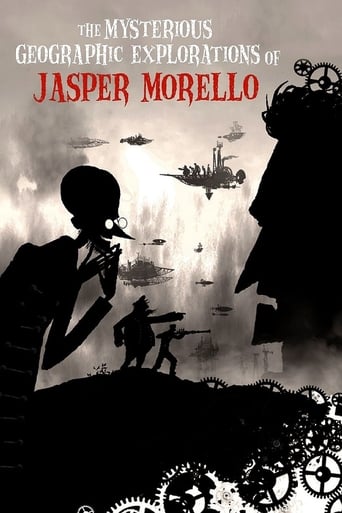
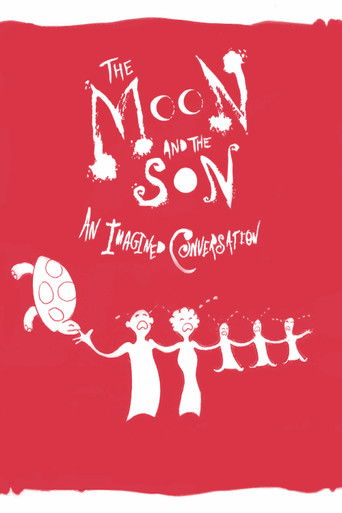
The 2005 race was one of the richest ever, and four of its five nominees are in the catalogue. The Moon and the Son: An Imagined Conversation, John Canemaker's winning animated documentary, explores his difficult relationship with his father. 9, Shane Acker's student film about a rag doll fighting a monstrous machine, grew into a feature four years later. The Mysterious Geographic Explorations of Jasper Morello, from Australia, is a gothic adventure in silhouette aboard an iron airship, and Badgered follows a sleepy badger, two noisy crows and a surprise from the sky.
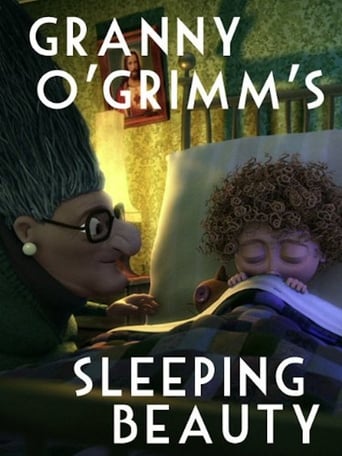
Torill Kove's The Danish Poet, narrated by Liv Ullmann, won in 2006 with a gentle story of chance meetings across generations, and Kove returned in 2014 with Me and My Moulton, about a girl who longs for a bicycle while her architect parents follow their own modernist path. I Met the Walrus turns a teenager's 1969 interview with John Lennon into a stream of drawings. This Way Up, from Smith and Foulkes, sends two undertakers on a hilarious cross-country journey with a coffin. Granny O'Grimm's Sleeping Beauty, from Brown Bag Films in Dublin, lets a grandmother tell the old fairy tale in her own unforgettable way.
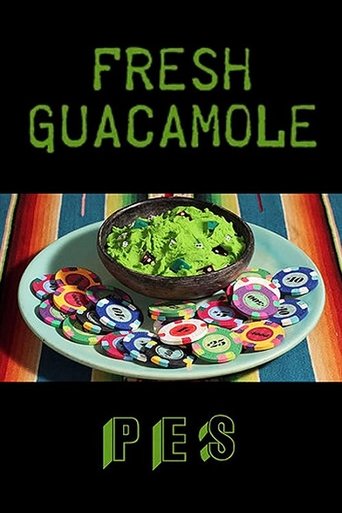
The Lost Thing, by the Australian author and artist Shaun Tan and Andrew Ruhemann, won in 2010 with the story of a boy who finds a strange creature on a beach and searches for a place where it belongs. Wild Life follows a young Englishman who tries ranching in Alberta in 1909, and A Morning Stroll tells the same small story of a man and a chicken in three different centuries. Adam and Dog imagines the first friendship between a man and a dog in the Garden of Eden, and Fresh Guacamole, by PES, is among the shortest films ever nominated: about two minutes of grenades, dice and golf balls turned into a bowl of guacamole.
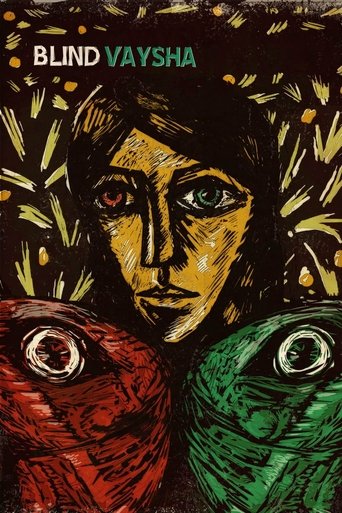
The last decade has brought a wide range of styles. The Bigger Picture uses life-size painted figures to tell of two brothers caring for their mother. World of Tomorrow takes a little girl on a tour of her own distant future. Borrowed Time is a weathered western about a sheriff who returns to the place of an accident. Pearl, from Google Spotlight Stories, was the first virtual-reality film nominated, following a father and daughter through years of road trips in the same hatchback. Blind Vaysha tells of a girl who sees the past with one eye and the future with the other.
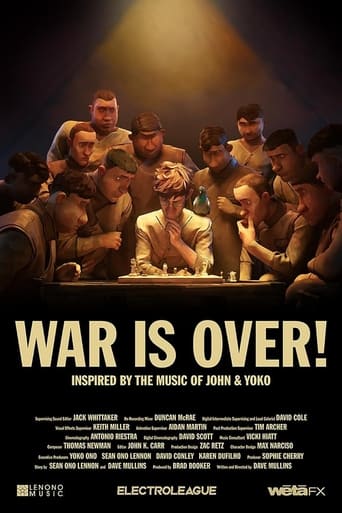
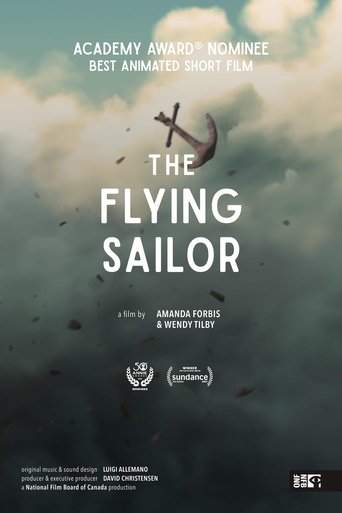
Dear Basketball, animated by Glen Keane from Kobe Bryant's retirement poem with a score by John Williams, won in 2017, alongside the nominee Negative Space, in which a father teaches his son how to pack a suitcase. Weekends follows a boy travelling between the homes of his divorced parents in 1980s Toronto. Opera, by Erick Oh, is a vast pyramid of tiny figures acting out the cycles of human history. The Flying Sailor follows a sailor thrown into the sky by the Halifax Explosion of 1917, and An Ostrich Told Me the World Is Fake and I Think I Believe It is a student film about a telemarketer who learns that his world is made of stop-motion. WAR IS OVER! Inspired by the Music of John & Yoko won in 2023 with two soldiers playing chess across a battlefield, and Wander to Wonder earned a 2024 nomination with three tiny stars of a forgotten children's programme.
The National Film Board of Canada
The National Film Board of Canada was founded in 1939, and in 1941 its first commissioner, John Grierson, invited the Scottish animator Norman McLaren to start an animation unit. For more than eighty years since, the NFB has given animators time, money and complete artistic freedom, and the results have collected a long shelf of Oscars, Cannes prizes and festival awards. It is one of the great public studios of the world, and its films are a natural centre for any catalogue of shorts.
McLaren himself appears with Synchromy, a film in which the images and the soundtrack are the same thing: he drew rows of rectangles that became sound when they passed through the projector's optical reader, and he showed those same rectangles on screen in bright colours, so that you see exactly what you hear. It is a joyful piece of visual music and a lesson in how creative a single idea can be.
Caroline Leaf brought two very different techniques to the NFB. The Metamorphosis of Mr. Samsa tells Kafka's story with sand pushed around on a lit glass plate, each frame shaped by hand and wiped away for the next. The Street adapts a story by Mordecai Richler about a Jewish family in Montreal, painted frame by frame with wet paint on glass, so that every scene flows into the next like a memory. Ishu Patel's The Bead Game builds animals out of thousands of tiny beads that join, grow and devour one another, telling the story of evolution and conflict in a few beautiful minutes.
The NFB is also very funny. John Weldon and Eunice Macaulay's Special Delivery is a deadpan comedy of errors. Richard Condie's The Big Snit turns a domestic quarrel into one of the most quoted cartoons in Canada. Cordell Barker's The Cat Came Back is a whirlwind of slapstick set to a folk song, and it still makes audiences laugh out loud.
Wendy Tilby and Amanda Forbis have made three films for the NFB, and all three are here: When the Day Breaks, which won the short film Palme d'Or at Cannes; Wild Life, about a young Englishman on the Canadian prairie; and The Flying Sailor, about a sailor thrown through the air by the Halifax Explosion. Torill Kove's The Danish Poet and Me and My Moulton and Theodore Ushev's Blind Vaysha complete the collection, three films that show the NFB's love of storytelling with a personal touch.
The NFB shares a great part of its catalogue on its own website and apps, often at zero cost, so the Watch now button and the free shorts guide will often lead you straight to an official free stream.
Don Hertzfeldt
Don Hertzfeldt is the great independent animator of his generation. He draws stick figures with a pen, films them on an old rostrum camera or, in his later films, on a computer, and uses them to ask the largest questions there are: what memory is, what love means, what it feels like to be alive. His films are very funny and deeply moving, often within the same minute.
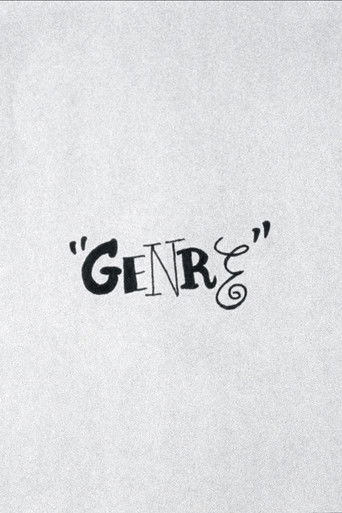
His student film Genre shows the dry wit that made his name: a little rabbit is dragged by its frustrated animator through one film genre after another, from romance to war film to musical, and reacts to each new scene with growing alarm. The film already contains the things that make his later work so special, a love of simple drawings, perfect comic timing and an animator who talks back to his own creation.
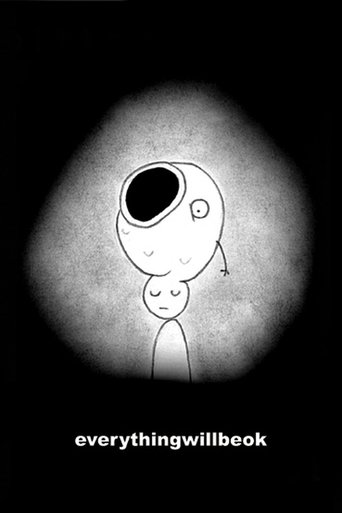
Everything Will Be OK begins the story of Bill, an ordinary man whose mind starts to slip, told with split screens, real photographs and drawings that glow and blur. It is the first chapter of a trilogy later gathered into the feature It's Such a Beautiful Day, and it is one of the most admired shorts of its decade.
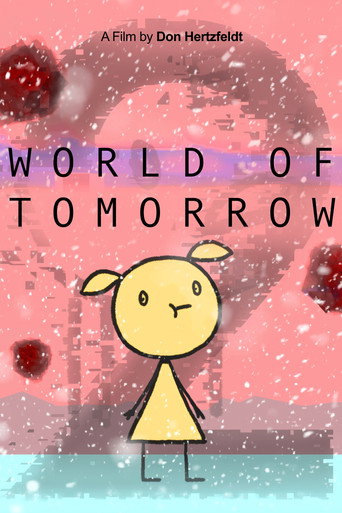
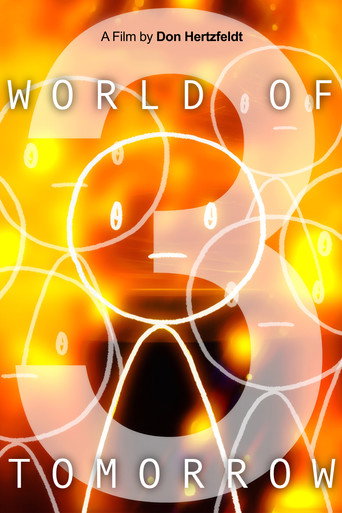
World of Tomorrow is his masterpiece. A small girl called Emily is visited by a clone of herself from the far future, who takes her on a tour of a world where people upload their minds into machines and search for meaning among their memories. The voice of young Emily is Hertzfeldt's own niece, recorded as she played and chatted, and her spontaneous delight sits beside the clone's calm, sad account of the future. The film won the Grand Jury Prize for short film at Sundance and an Oscar nomination. World of Tomorrow Episode Two: The Burden of Other People's Thoughts and World of Tomorrow Episode Three: The Absent Destinations of David Prime continue the story with even richer computer-drawn worlds.
Studio shorts
The big animation studios have always made shorts, and AnimeJara gathers 46 of them, from the Looney Tunes and Roger Rabbit to the Pixar SparkShorts and the Disney Short Circuit programme.
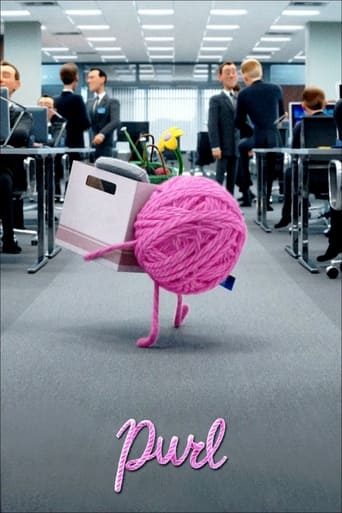
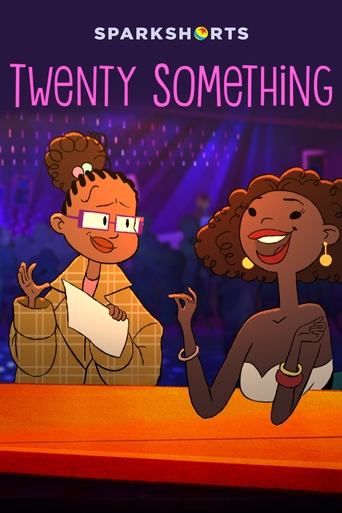
Pixar's SparkShorts programme gave artists from across the studio the chance to direct their own short with a small team and a tight schedule. Purl, by Kristen Lester, follows a ball of pink yarn who joins an office full of men in suits and has to decide how much of herself to change. Smash and Grab follows two old robots who work in the engine room of a giant locomotive and dream of freedom. Twenty Something shows a young woman at her twenty-first birthday who feels like three children stacked inside one coat, and Nona follows a grandmother whose day of television is interrupted by her granddaughter.
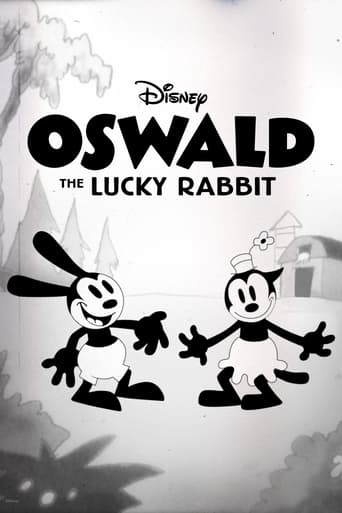
Disney's Short Circuit programme did the same for Walt Disney Animation Studios, and its films are full of experiments in technique. Exchange Student follows the only human child at a school for aliens. Hair-Jitsu is a martial-arts fantasy about a girl's first haircut. Just a Thought shows a boy whose thought bubbles appear in the air for everyone to read. Puddles finds a hidden world inside rain puddles, Lightning in a Bottle follows a science fair project that works far too well, The Race sends a reaper to a bicycle race, and Lucky Toupée follows a hairpiece stolen by leprechauns. Cycles, directed by Jeff Gipson, was Disney's first virtual-reality short, following a family's life in one house. Oswald the Lucky Rabbit, drawn by hand by Eric Goldberg, brought Walt's first star back to the screen for the studio's hundredth anniversary.
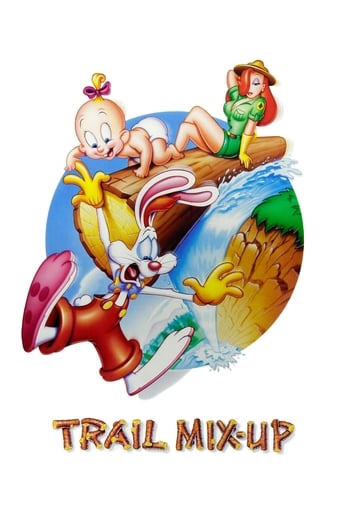
Earlier Disney shorts include Tummy Trouble and Trail Mix-Up, the frantic Roger Rabbit cartoons shown before features in the late eighties and early nineties; Runaway Brain, a Mickey Mouse horror comedy; How to Hook Up Your Home Theater, which revived Goofy's classic how-to cartoons in 2007; Tick Tock Tale, about a little clock that saves its shop; and Gone Fishing, in which Maui tries and tries again to catch a fish.
Pixar's DVD shorts include Mr. Incredible and Pals, a cheap and cheerful cartoon version of the Incredibles with a commentary track by the characters themselves, and Exploring the Reef, a nature documentary interrupted by the cast of Finding Nemo. Bugged, made at Pixar Canada, is a two-minute Cars comedy in which Red the fire truck has his quiet morning interrupted by a pesky bug.
The Looney Tunes are here in two eras. Chuck Jones directs Soup or Sonic, in which the Coyote finally catches the Road Runner and is completely puzzled about what to do next, and Chariots of Fur, another chapter of the great chase. Bugs Bunny's Bustin' Out All Over gathers three brand-new springtime cartoons made by Jones for television. The Night of the Living Duck puts Daffy in a nightclub for monsters, singing with the voice of Mel Tormé. In the 2010s, Matthew O'Callaghan brought the Coyote and the Road Runner into three dimensions in Coyote Falls and Fur of Flying, and made Daffy's Rhapsody and I Tawt I Taw a Puddy Tat around old recordings by Mel Blanc.
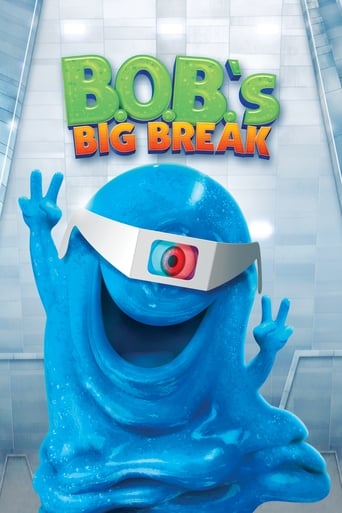
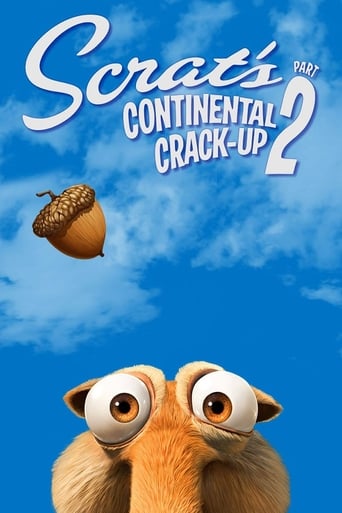
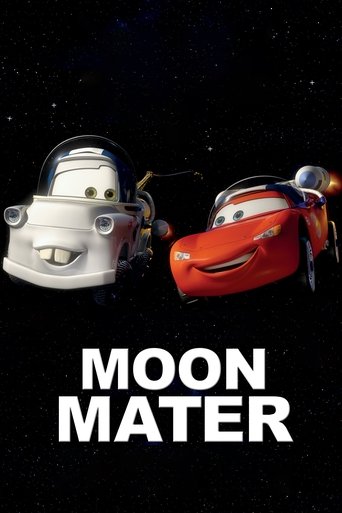
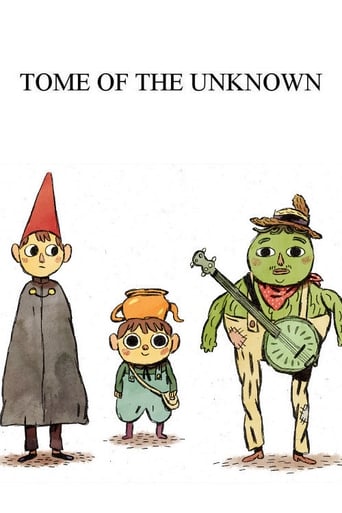
The other studios are just as playful. From DreamWorks come B.O.B.'s Big Break, a Monsters vs. Aliens escape caper, and The Pig Who Cried Werewolf, in which Shrek's three little pigs suspect their new neighbour. Blue Sky gives Bunny and Scrat's Continental Crack-Up: Part 2, another chapter in the squirrel's endless hunt for his acorn. Illumination adds Forces of Nature and Serenade from The Lorax, Minion Scouts, Super Gidget, Gunter Babysits and Norman Television. Sony gives Goodnight, Mr. Foot, Genndy Tartakovsky's hand-drawn Hotel Transylvania short about Bigfoot's search for a good night's sleep, and Aardman's So You Want To Be A Pirate! offers a lesson in piracy from the Pirate Captain himself. Moon Mater sends the tow truck from Cars into space, and Cartoon Network gives two pilots that grew into much-loved series: Tome of the Unknown, which became Over the Garden Wall, and Infinity Train.
Stop-motion
Stop-motion is the most tactile kind of animation: a real object is moved a tiny distance, photographed, moved again and photographed again, until twenty-four photographs make a single second of movement. The technique gives films a handmade warmth that audiences love, and AnimeJara gathers nineteen of its finest shorts.
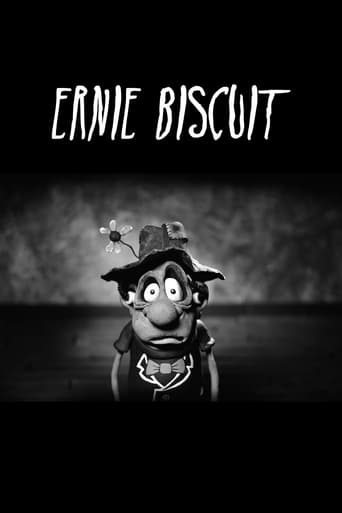
Clay leads the way. Closed Mondays was made by Will Vinton, the animator who later gave the world the word Claymation, and it brought clay to the Oscars for the first time. Adam Elliot, the Australian master of clay, appears with Uncle and Cousin, two of his early black-and-white portraits of relatives, and with Ernie Biscuit, the story of a deaf Parisian taxidermist whose life is turned upside down by a pigeon. Elliot narrates his films in a warm, wry voice and finds great tenderness in the oddities of ordinary people.
Objects come alive in the films of PES, the American director who animates everyday things. In Western Spaghetti, pick-up sticks become pasta, Rubik's cubes become garlic and bubble wrap sizzles in the pan. Fresh Guacamole chops grenades and baseballs into a dip, and Submarine Sandwich builds a sandwich from boxing gloves, socks and old toys. Each is a two-minute marvel that rewards pausing on every frame.
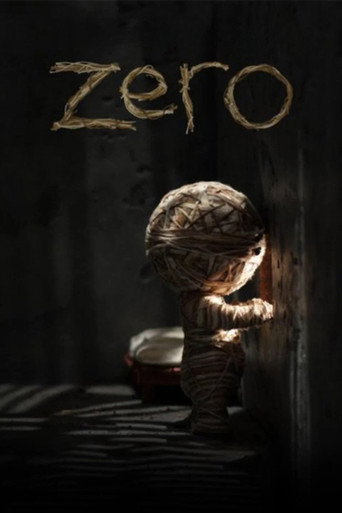
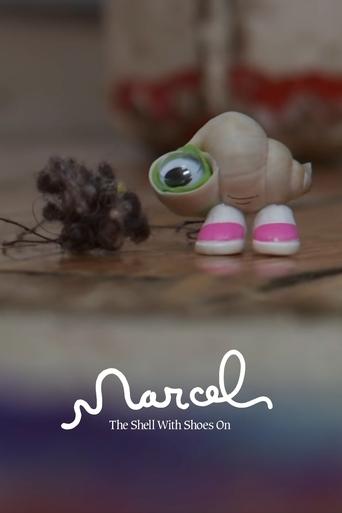
Puppets carry some of the most tender stories. Marcel the Shell with Shoes On began as a tiny shell with one eye and a pair of shoes, voiced by Jenny Slate and filmed by Dean Fleischer Camp, and the little film and its sequels later grew into a much-loved feature. Negative Space, made by Ru Kuwahata and Max Porter from a poem by Ron Koertge, uses miniature clothes, suitcases and paper waves to tell of a father and son. Lost & Found, from Australia, follows a knitted dinosaur who unravels himself stitch by stitch to save his love, and Zero, by Christopher Kezelos, is a knitted fable about a world that judges people by their numbers.
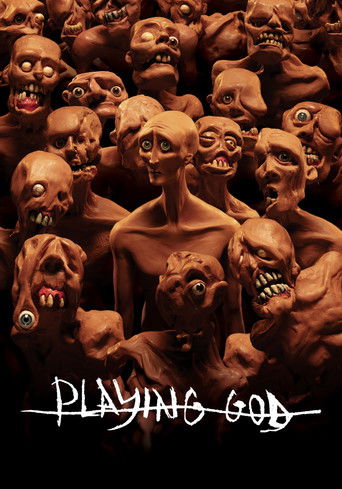
Other materials appear too. Bottle, by Kirsten Lepore, is a conversation between a sand figure and a snow figure on opposite sides of the ocean, carried out with objects sent in a bottle. The Eagleman Stag, Mikey Please's graduation film from the Royal College of Art, is carved from white foam and tells the life of a man obsessed with the speed of time. More uses puppets to tell of a factory worker's invention, and Playing God, by Matteo Burani, is a striking modern clay film about sculptures that come to life in an empty workshop and search for a place to belong.
Independent festival favourites
The largest collection on AnimeJara holds 124 films made by independent animators and small studios, the kind of festival short that travels from city to city, from Annecy and Ottawa to Sundance, Clermont-Ferrand and Hiroshima, collecting prizes and fans along the way. A great festival short leaves an audience talking long after the lights come up.
Australia is especially strong. Anthony Lucas's The Mysterious Geographic Explorations of Jasper Morello builds a steampunk world of airships in silhouette. The Cat Piano, narrated by the musician Nick Cave, tells in rhyming verse of a city of singing cats and the shadowy figure who preys on them. Nullarbor is a road movie across the great empty plain, in which a young driver and an old one compete to pass each other. Double King, by Felix Colgrave, follows a greedy king who steals crown after crown in a riot of colour, and Rebooted follows a stop-motion skeleton, once the terror of the cinema, looking for work in the age of computer effects.
Ireland gives Fifty Percent Grey, Granny O'Grimm's Sleeping Beauty and Retirement Plan, John Kelly's wistful film about a man who dreams of everything he will do once he finally retires. Britain gives Marc Craste's Jojo in the Stars, a dark and lovely fairy tale about a small creature and a circus performer, made at Studio AKA; Alison De Vere's Café Bar, a quiet conversation in a café from 1975; and Daniel Greaves's Flatworld, in which a cardboard cat and a fish tumble from one television channel to the next.
The American independents bring wit and invention. Sally Cruikshank's Quasi at the Quackadero sends two ducks and a robot to a psychedelic amusement park. Mike Jittlov's The Wizard of Speed and Time follows a speeding wizard who brings a whole film studio to life. Lucas Martell's Pigeon: Impossible follows a rookie secret agent whose nuclear briefcase is taken over by a curious pigeon, and his The OceanMaker follows a pilot in a world where the seas have vanished. Nicholas Arioli's Coin Operated follows one boy's lifelong dream of a coin-operated rocket ride, Bernardo Britto's Yearbook follows a man hired to compile the history of humankind before the Earth is destroyed, and Charles Huettner and Joseph Bennett's Scavengers is the strange and beautiful alien world that later grew into the series Scavengers Reign.
From the rest of the world come Sitara: Let Girls Dream, Sharmeen Obaid-Chinoy's film about a girl in Pakistan who dreams of flying; Dinner for Few, a sharp Greek fable about a formal dinner where the food runs out; Here's the Plan, a Chilean story of a cat and a dog who dream of opening a bakery; Wind, a German film about a village where the wind blows so hard that people lean into it all day; Bat, a gentle German short about a bat kept awake by noisy chicks; and Dji. Death Fails, a Moldovan comedy about the unluckiest figure of death in the world.
Famous filmmakers in miniature
Some of the most famous directors in cinema have made animated shorts, and AnimeJara holds several of them. Tim Burton created The World of Stainboy as a series of short web cartoons about a boy whose only power is leaving stains, and the episodes are gathered here into one film. Henry Selick, the director of The Nightmare Before Christmas and Coraline, made Moongirl as the first short from the LAIKA studio, a dreamlike tale of a boy and a girl who keep the moon shining. David Lynch made Bug Crawls, a tiny eerie loop of a bug crossing the roof of a house, and Spike Jonze made To Die By Your Side with Simon Cahn in Paris, bringing a set of embroidered handbags to life in a love story among the books of Shakespeare and Company.
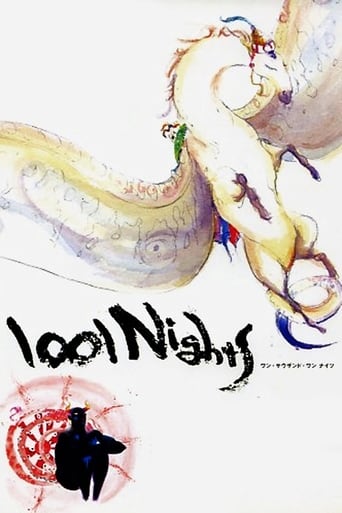
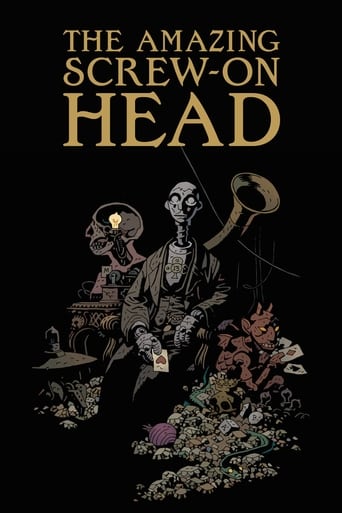
Terry Gilliam, the animator of Monty Python, appears with Storytime and Miracle of Flight, two collections of his cut-out sketches full of absurd humour. The Japanese artist Yoshitaka Amano, famous for his work on Final Fantasy, co-directed 1001 Nights, a lavish romance set to music by film composers. The comic-book artist Mike Mignola, creator of Hellboy, gave us The Amazing Screw-On Head, a Civil War-era adventure about a secret agent who is only a head, voiced with dry humour by Paul Giamatti. The documentary-maker Sharmeen Obaid-Chinoy, twice an Oscar winner, made Sitara: Let Girls Dream as her first animated film.
Art and experimental films
Animation is also an art form in its own right, close to painting, music and sculpture, and the Art and experimental collection gathers 22 films that explore its possibilities. UFOs, made by Lillian Schwartz with Ken Knowlton at Bell Labs in 1971, is one of the first computer-generated art films, a burst of colour and shape. Robert Breer's Bang! turns a photograph of a plane into a wire drawing, a moving image and finally an explosion of words. George Dunning, the director of Yellow Submarine, made Damon the Mower from quick sketches on index cards inspired by a poem by Andrew Marvell. Faith Hubley's Hello is a joyful fable in which visitors from space greet the Earth in every language.
Animated Self-Portraits, compiled by David Ehrlich for the international animation society ASIFA, invites more than twenty animators from around the world, including Osamu Tezuka, Jan Švankmajer, Bill Plympton and Priit Pärn, to introduce themselves in a few seconds of animation each. It is a wonderful sampler of styles and a small history of world animation in one reel. Fast Film, by Virgil Widrich, folds and tears printed frames from hundreds of classic films into a breathless new chase.
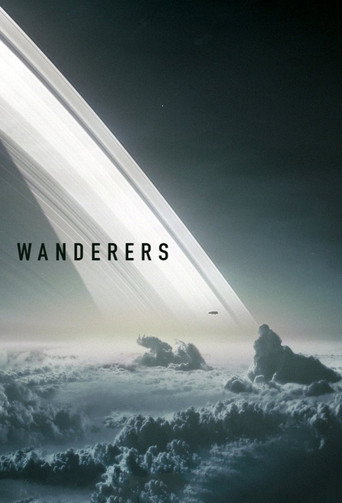
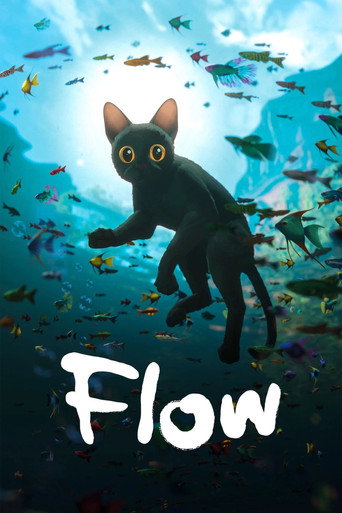
The modern films use new tools. A Boy and His Atom, made by IBM researchers, is the smallest film ever made, drawn by moving single molecules across a copper surface with a scanning tunnelling microscope. Wanderers, by Erik Wernquist, imagines humans exploring the Solar System, with real landscapes built from spacecraft data and narration by Carl Sagan. Din of Celestial Birds traces the evolution of consciousness in a surreal visual odyssey. Opera, FLOW, We and Forest each use computer animation to reflect on people, society and the planet, and Symphony No. 42 links 47 tiny scenes through dream logic.
Five decades of shorts
The six decade collections let you travel through the history of the animated short, and each decade has its own flavour.
The 1970s were a time of bold experiment. Computers began to make pictures, as in A Computer Animated Hand and UFOs; independent animators such as Sally Cruikshank and Mike Jittlov made films on kitchen tables; and the National Film Board produced some of its most beautiful work, from Synchromy to The Street. The decade's Oscar winners, from Frank Film to Special Delivery, are among the most inventive films ever honoured.
The 1980s brought the great comedies, from The Big Snit and The Cat Came Back to Your Face, alongside the first student films of the future leaders of Pixar, such as Winter and A Story. The 1990s saw Aardman's rise with Wat's Pig, the return of the theatrical Disney short with Runaway Brain and Trail Mix-Up, Don Hertzfeldt's first films and the arrival of Adam Elliot.
The 2000s were the decade of the computer. Blur Studio, Blue Sky, Sony and Pixar all made shorts to show off their new tools, the Blender Foundation released its first open movie, and young animators everywhere began to share their work online, where films such as Kiwi! and Pigeon: Impossible reached millions of viewers. The 2010s, the largest decade in the catalogue with eighty-eight films, brought virtual reality, the Pixar SparkShorts and Disney Short Circuit programmes, and a wave of brilliant films from Australia, Ireland and Canada. The 2020s have already given us Opera, The Flying Sailor, WAR IS OVER! Inspired by the Music of John & Yoko and Wander to Wonder.
How shorts are made
Animated shorts use every technique in the animator's toolbox, and watching a varied programme is a lesson in the craft. Hand-drawn animation, the classic method, appears in films from The Cat Came Back to Oswald the Lucky Rabbit and Dear Basketball, where Glen Keane's pencil lines dance across the screen. Computer animation, now the most common method, appears in films from The ChubbChubbs! and Gopher Broke to Purl and Borrowed Time.
Some techniques are rarer and more surprising. Caroline Leaf painted The Street with wet paint on glass, changing the picture a little for each frame, and pushed sand around a light table for The Metamorphosis of Mr. Samsa. Joan C. Gratz painted with clay for Mona Lisa Descending a Staircase. Ishu Patel worked with tiny beads for The Bead Game. Daisy Jacobs painted life-size figures on the walls of a real room for The Bigger Picture. Virgil Widrich folded paper prints of film frames into three-dimensional shapes for Fast Film.
The newest techniques bring the viewer inside the film. Pearl, Duet and Age of Sail were made for virtual reality and 360-degree video, so that you can look around the scene as it plays, and Cycles was made for a headset at Disney. Cat Burglar is an interactive cartoon in which the viewer answers trivia questions to help a cat steal paintings past a security dog. Every technique tells its own kind of story, and the short film gives each of them room to shine.
Building a programme
Festivals show shorts in programmes of six to ten films, carefully ordered so that a comedy follows a quiet film and a big finish closes the evening. You can do the same at home with My List. Here are a few programmes to start with.
An Oscar night programme: begin with Frank Film for its sheer energy, follow with Closed Mondays and The Big Snit, slow down with The Danish Poet, add the two-minute joke of Fresh Guacamole, then The Lost Thing, Pearl and Dear Basketball, and close with WAR IS OVER! Inspired by the Music of John & Yoko. That makes close to an hour and a half of the best the Academy has honoured.
A science-fiction programme: Fifty Percent Grey, Abiogenesis, The Looking Planet, Smash and Grab, The OceanMaker, Scavengers, Wanderers and the three chapters of World of Tomorrow. Add Flatland, a half-hour adaptation of the classic mathematical novel about a world of two dimensions, for a longer evening.
A love-story programme: Duet, Extinguished, Once Upon a Line, Just a Thought, Lucky Toupée, Serenade, Lost & Found and To Die By Your Side. A handmade programme: Western Spaghetti, Bottle, Marcel the Shell with Shoes On, Uncle, Negative Space, The Eagleman Stag and Ernie Biscuit.
A Canadian programme from the National Film Board: Synchromy, The Street, Special Delivery, The Big Snit, The Cat Came Back, When the Day Breaks and Blind Vaysha. And a programme of laughs: Your Face, Guard Dog, Pigeon: Impossible, A Gentlemen's Duel, One Rat Short, Coyote Falls, Gopher Broke and Genre.
For families
Many of the shorts on AnimeJara are perfect for children, and a programme of shorts is a wonderful way to introduce young viewers to the variety of animation. The studio shorts are an easy start: Gone Fishing, Minion Scouts, Super Gidget, Gunter Babysits, Moon Mater, Forces of Nature and Tick Tock Tale are bright and fast, and every child knows the characters.
From there, families can explore further. Kiwi!, Soar, The Present, Puddles, Hair-Jitsu, Exchange Student, Bat, Badgered, A Morning Stroll and Granny O'Grimm's Sleeping Beauty are short, funny and full of heart. The Lost Thing and Pearl are lovely for slightly older children, and The Cat Came Back makes almost everyone laugh. Each film page lists the running time and the story, so parents can choose with confidence, and some of the festival films deal with grown-up themes such as loss, war and illness, which the summaries describe clearly.
Languages and subtitles
Every film on AnimeJara was made in English, which makes the catalogue easy to share with friends around the world. Many shorts go further and tell their stories with pictures and music alone, so that anyone of any language can enjoy them: Purl, Bunny, Fresh Guacamole, Western Spaghetti, Bottle, Duet, Pearl, The Present, Soar and many more speak entirely through images. Most services add subtitles in several languages for the films with dialogue or narration, and the National Film Board offers many of its films in both English and French.
The AnimeJara guides
Fifteen short guides sit beside the catalogue. How to watch explains the Watch now button step by step, Finding a short gives search tips, and My List explains how to save a programme and move it to another device.
The collection guides open shorter routes into the catalogue: the Oscar animated shorts guide, the National Film Board of Canada guide, the Don Hertzfeldt guide, the Studio shorts guide and the Stop-motion guide, each with a few films to start with. The practical guides cover Languages and subtitles, Free animated shorts, Apps and devices, Where AnimeJara shorts stream, Watching safely, Is AnimeJara working? and The official AnimeJara site.
How the catalogue is chosen
AnimeJara is a hand-picked catalogue. Every film was chosen from festival programmes, Oscar lists, studio reels and the records of the National Film Board, then checked by hand against its story and credits. The catalogue favours films that are well made, rewarding to watch and suitable for a broad audience, from children to dedicated animation lovers. Adult comedies, gore-led horror, game tie-ins and promotional shorts made mainly to sell a product are kept out of the collection so that the catalogue stays welcoming for everyone.
Posters and production details come from TMDB, the community-built film database, and the availability shown by Watch now comes from JustWatch, which tracks the official services in each country. The words on this page and in the guides are written for AnimeJara by its own editorial team.
Watching shorts today
Today is a wonderful time to watch animated shorts. The big streaming services carry the studio shorts beside the features they accompany, so the Pixar, Disney, DreamWorks and Illumination shorts are usually easy to find. Each winter, cinemas around the world screen touring programmes of the Oscar-nominated shorts, and those programmes later arrive on rental services. The National Film Board shares much of its catalogue on its own site, the Blender Foundation shares its open movies freely, and many independent animators release their films on their own official channels once the festival run is over.
Festivals are the heart of the short-film world, and if you live near one, a festival screening is an unforgettable experience: a full cinema, a programme of eight or nine films and, often, the animators themselves on stage to talk about their work. The Annecy International Animation Film Festival in France, the Ottawa International Animation Festival in Canada and the shorts programmes at Sundance and Clermont-Ferrand are among the most famous, and many cities hold smaller animation festivals of their own.
Open movies and VR shorts
The Blender Foundation makes free open-source software for 3D animation, and every few years it makes a short film to test and improve that software. The films are released under open licences, so anyone can watch, share and study them, and their production files are published for students and artists to learn from.
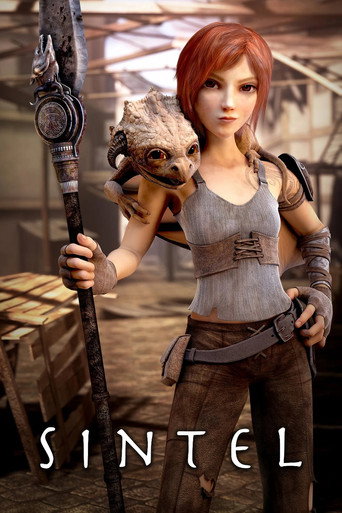
Elephants Dream, from 2006, was the first of these open movies: two strange characters explore an endless machine, one acting as guide and the other growing restless. Sintel, from 2010, follows a young woman searching for the baby dragon she raised, and its last scene is one of the most talked-about twists in short animation. Agent 327: Operation Barbershop, from 2017, adapts a classic Dutch comic about a secret agent and his adventure in an Amsterdam barbershop, with action and comedy timed like a feature trailer.
Google Spotlight Stories were made to be watched on a phone or in a headset, with the viewer free to look around the scene. The catalogue holds three of them in their flat film versions. Duet, by the Disney legend Glen Keane, follows a boy and a girl from childhood to adulthood in flowing hand-drawn lines. Pearl, by Patrick Osborne, follows a father and daughter through years of road trips in the same car, and Age of Sail, by John Kahrs, follows an old sailor who rescues a girl from the sea.
Student films
A great many famous animators first showed their talent in a film made at school, and AnimeJara holds a small collection of student films that later became legends. Lady and the Lamp, from 1979, is John Lasseter's student film at CalArts, years before he made Luxo Jr. and Toy Story at Pixar. Winter and Next Door are early films by Pete Docter, who later directed Monsters, Inc., Up and Inside Out. A Story, from 1987, is an early film by Andrew Stanton, the future director of Finding Nemo and WALL-E. A Computer Animated Hand, made in 1972 by Ed Catmull and Fred Parke at the University of Utah, is one of the first pieces of 3D computer animation ever filmed, and Catmull later co-founded Pixar.
The modern student films are just as impressive. The Present, by Jacob Frey at the Filmakademie Baden-Württemberg, is a short about a boy, a video game and a three-legged puppy that has warmed hearts around the world. Soar, from the Academy of Art University, follows a girl who helps a tiny pilot fix his flying machine. Brain Divided and Extinguished, both from the Ringling College of Art and Design, are lively comedies of romance. Kiwi!, made at the School of Visual Arts, follows a little bird who spends his whole life working towards one dream. Sebastian's Voodoo, from UCLA, follows a voodoo doll who must find the courage to save his friends, and Symphony No. 42, by the Hungarian director Réka Bucsi, is a sequence of 47 tiny surreal scenes linked by association.
9, Shane Acker's student film at UCLA, and An Ostrich Told Me the World Is Fake and I Think I Believe It, Lachlan Pendragon's film from Griffith University in Australia, both went all the way to the Oscars, proof that a student film can stand with the best work of the big studios.
A world in a few minutes
The animated short is a small form with a huge reach. In a few minutes it can make you laugh, cry, think about time and memory or simply marvel at what a pencil, a lump of clay or a computer can do. The 188 films on AnimeJara cover more than fifty years of that art, from the first experiments with computer graphics to the newest Oscar winners, from the great public studio of Canada to the student films of future legends.
Search for a title, open a collection or start with one of the programmes above. Press Watch now, choose your country, and let the next few minutes surprise you. Welcome to AnimeJara.
Questions
What is AnimeJara?
AnimeJara is a guide to 188 English-language animated short films from 1970 to 2026, with a Watch now button that opens each film on JustWatch for your country.
Which Oscar shorts are on AnimeJara?
The Oscar shorts collection holds 49 winners and nominees, including Frank Film, Closed Mondays, The Danish Poet, The Lost Thing and Dear Basketball.
Where can I watch shorts for free?
The National Film Board of Canada and the Blender Foundation share many films freely, and Watch now lists free services each time they carry a film in your country.
Which Don Hertzfeldt films are here?
Genre, Everything Will Be OK and the three chapters of World of Tomorrow.
Which shorts suit young children?
Gone Fishing, Minion Scouts, Kiwi!, Soar, The Present, Puddles and The Cat Came Back are great family choices.
How does My List work?
Press Add to My List on any film page. The list stays in your browser and can be exported to another device.
Does AnimeJara work on a phone or TV?
AnimeJara works in any current browser. On a television, press Watch now and open the chosen service's own app.
How long are the films?
Most films run between two and twenty minutes, and the longest, Flatland, runs a little over half an hour. Every film page lists the running time.
Why does AnimeJara look the way it does?
The deep indigo grid, the glowing two-tone wordmark and the cyan headings come from the archived design of animejara.com.